I get asked now and again, as if it’s a weird thing to do, why I write. Well, I didn’t always. Lots of us spend years talking and thinking about writing as if that’ll do the real thing for us.
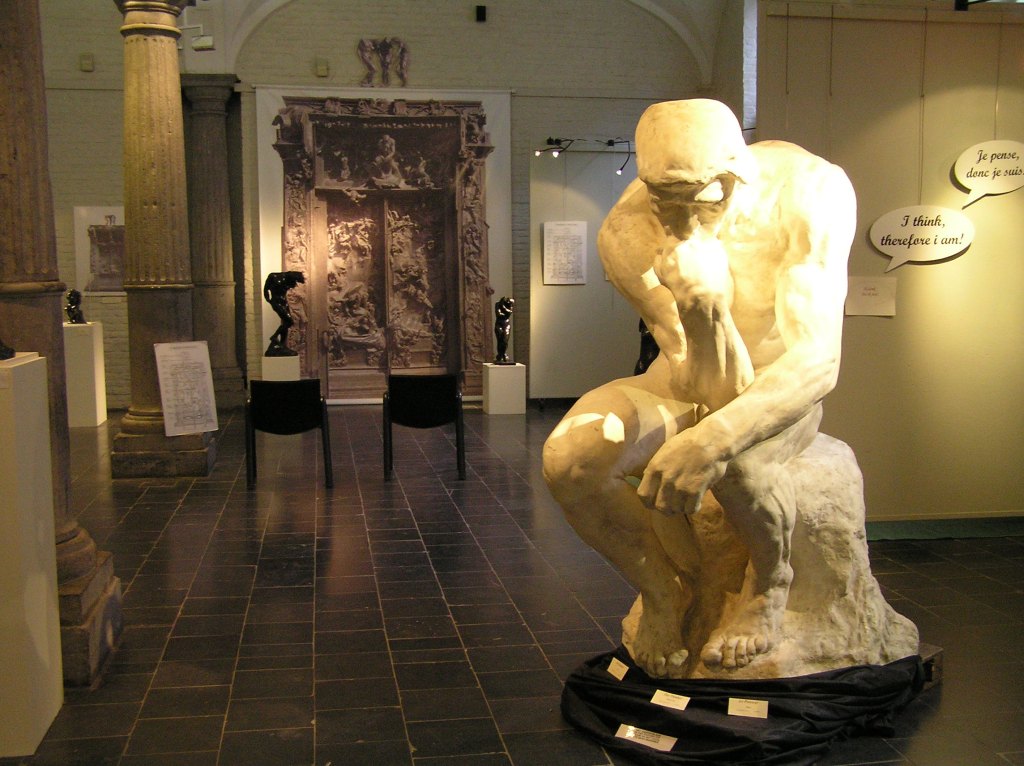
I was over 35 before I could muster enough confidence to give time to writing, even though I’d known as a tiny child the great joy of sitting alone in a crowded room, in my own bubble happily making stuff up on a page.
The first answer is that we write for the sheer fun of it. As painters and musicians, sculptors and dancers do, we get a nudge from some inner compulsion, or an unexpectedly lovely experience, that to give ourselves to creativity like this can be pure pleasure. Even more so if we turn out to be good at it though that stage comes much later.
The deeper we allow ourselves to sink into this writing malarkey and give long hours to it, the more fun comes to find us. Thoughts and stories spool from our fingers in ways that don’t feel quite our own and we can’t wait to do it again. If two or more of us are writing together as #writingbuddies, magic can happen in that ringfenced time that releases cascades of imagination apparently from somewhere beyond us.
Then there’s the Rubik’s Cube stage where the pleasure is in fitting words to a poetic structure or wrangling a plausible plot into shape, until the marvellous ‘click’ moment when something might just work.
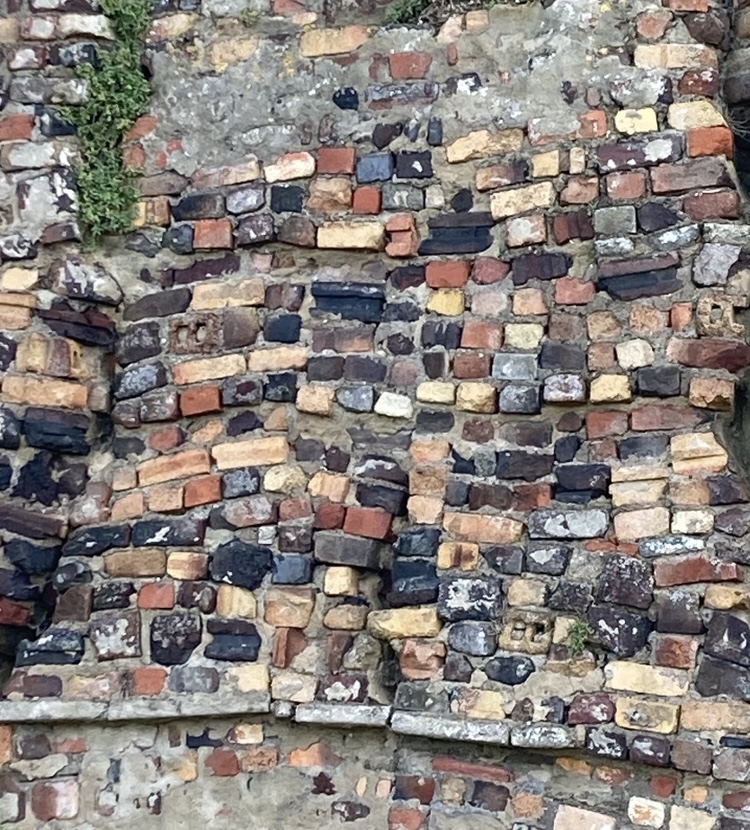
Even editing – condensing, spotting tautology, correcting, trimming – can have a robust thrill like pruning a tired shrub in the allotment before winter.
The wonderful thing about any craft is that the more we do it, the more skilled we get and the more of the craft we want to do. So, here are 3 tips #writingtips to guide you back to your writing if you’ve hit a dry patch. There will be many more in my book scheduled for publication by Colorful Crow Publishing next year:
- Try to write something every day connected with your novel or poetry, or just your will to write. Bits of conversation exchanged by your characters, weird rhymes, notes for research, a rant by one of your characters, your feelings about where the plot’s heading in spite of you – writing it down keeps you in the loop of your book or poetry and stokes your inner writer’s fragile confidence.
- Always congratulate yourself on writing around your story or poem as much as on producing shiny pages of draft. We all do it. It’s all needed.
- If an idea or scene is bugging you and you can’t get started, try this old trick I developed in years of journalism. Get something, anything, down fast, last thing before bedtime. It can be as rough as it comes, it doesn’t matter. When you wake up, you’ll find that two things have happened. One is that you have something to work on. Big step forward. The other is that your unconscious mind has been busy while you slept and you wake to new ideas and verve. You might even have those elusive ingredients: the shape of what you want to write and the all-important gist.
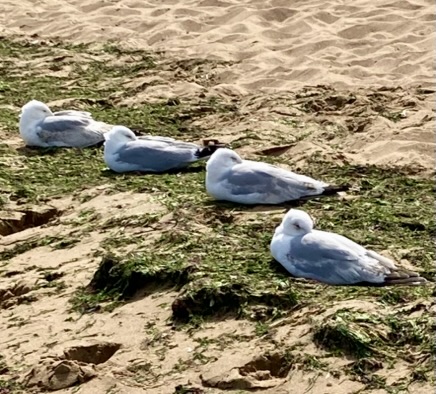
Seagulls working on their gist.
Number 4 is #writingbuddies of course and I’m deeply grateful to all mine, everywhere.
Happy writing!

