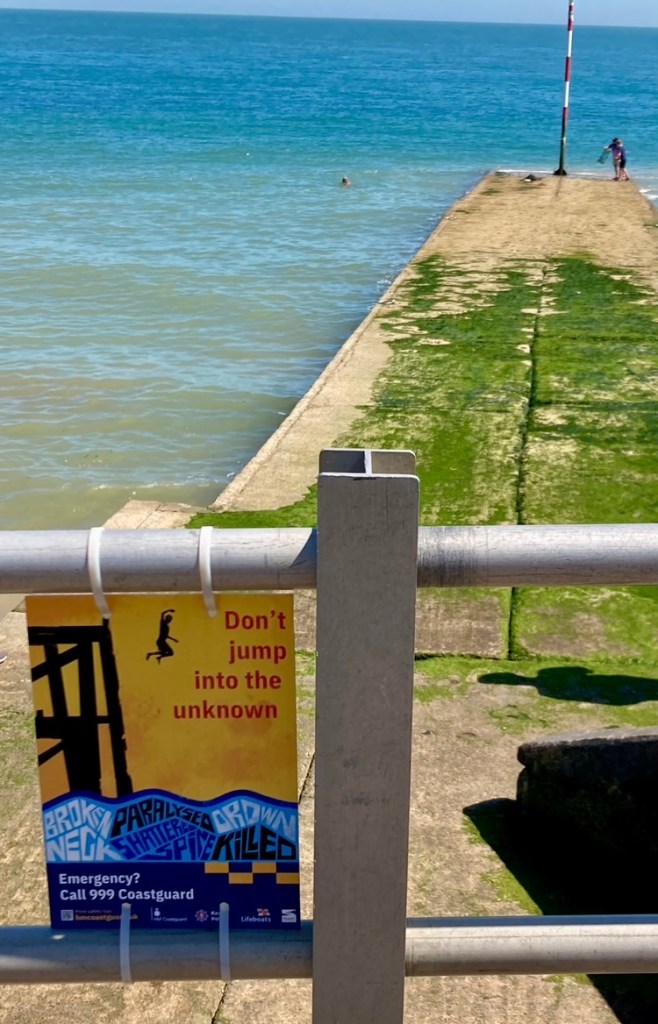
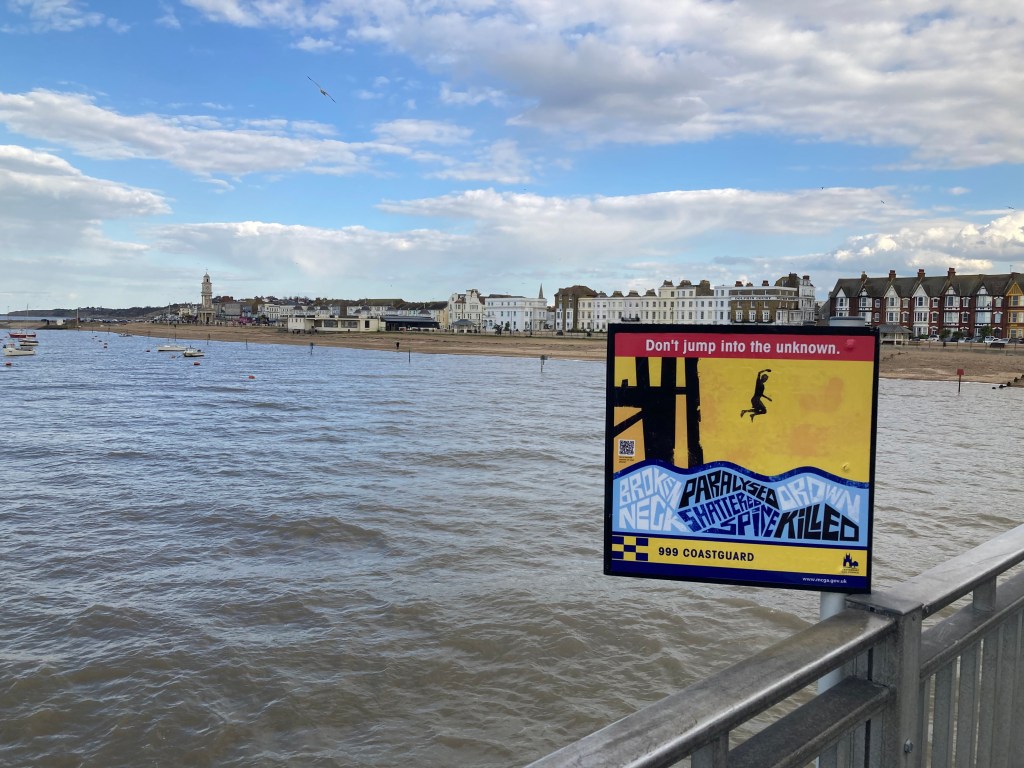
When my first novel was published about twenty years ago (by a mixture of persistence and sheer luck), there were so many things I wish I’d known sooner. Jumping into the unknown can be fun.
But now a potential novel is grabbing me again and I’m up to my eyes in first-draft stuff, all those voices and characters, and I can’t help thinking how many of my worries then were were about things that really didn’t matter until later. So, if you’re writing a first draft too, here are a few of them:
The Perfect Start
Your opening sentence is the last thing you need to think about right now. Write anything and carry on. With a first draft, only one thing matters: at all costs, finish it. Then you have something to work on. There is no point in sweating about your first sentence until then, or even later. If something ideal comes to you, note it down but if nothing comes, don’t worry.
John Mortimer: ‘The only rule … in writing is not to bore yourself.’
Likewise, your title. All you need now is a title that keeps you coming back to your draft. You’re likely to change it later, when you have a fuller idea of what your novel’s really about.
Where to start
When you’re ready to start on those precious draft pages, start somewhere, anywhere and above all, keep going. In Medias Res (in the middle) is time-honoured and great, as Homer taught us. Tidy as you go, then press on. Keep notes of afterthoughts but do not let them hold you back. If you toil endlessly over the same chapter or section, you risk, and it’s a big risk, getting bogged down and demoralised. Ditch notions of perfection for now and enjoy the ride.
Your voice
Another needless dread is about ‘finding your voice’ as if it’s something you left behind on the bus. Your writing voice is nothing more than the way you put words together and it’s special to you alone. It includes all sorts of things like the sort of subject you choose, your personality, the words you think in and your unique way of seeing people. When we hear a turn of phrase on the radio and go ‘Ah yes, that’s Maya Angelou,’ even when you’re not sure which of her books or poems it comes from, that’s you recognising Angelou’s ‘voice’.
Your voice is everything and nothing and is not something you need to think about at this stage. The more you let yourself settle into your happy, low key writing place where you play with your characters and story, the more confident you will be with your words, whereever you are.
Occasionally you might produce something you know could work in your first draft. Off it goes into that first draft file, waiting for other pieces like it. In no time, your pages are building up, some of them spot on, some less so, but the trick is to keep writing. It is by writing plenty that the best can come.
There will be more in my new book, scheduled by Colorful Crow Publishing for publication next year. It’s what I’ve learned over thirty years – usually the hard way − about developing a robust writing process for life, one that acknowledges what is normal in this writing world and offers tricks and tips to keep our spirits up enough to keep writing at every stage through to publication.
Thinking of writing as our treat is a big help. Creativity does people good. For us writers, the simple act of writing, even a few lines of journal, makes the day worthwhile. Happy writing!