‘Safe Ground’ is nearly off the ground

We’re in the final proof checks of ‘Safe Ground’, well on course for publication by Mica Press on 25 March, 2025. This stage is indescribably exciting and I can’t wait to hold a copy in my hand.

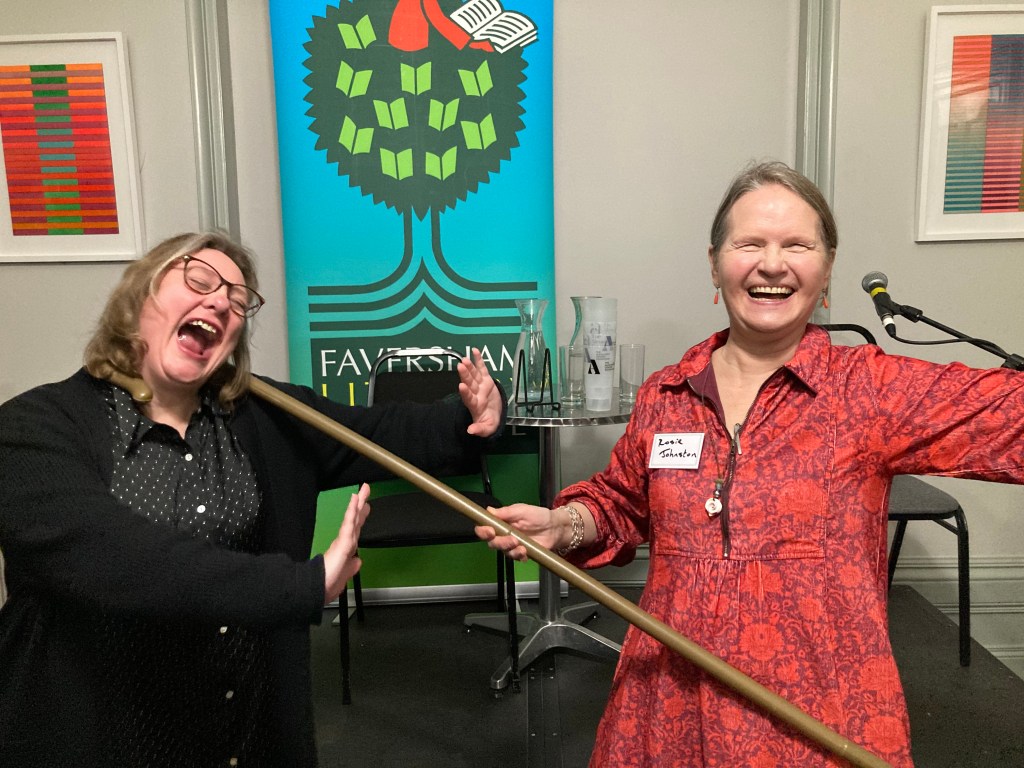
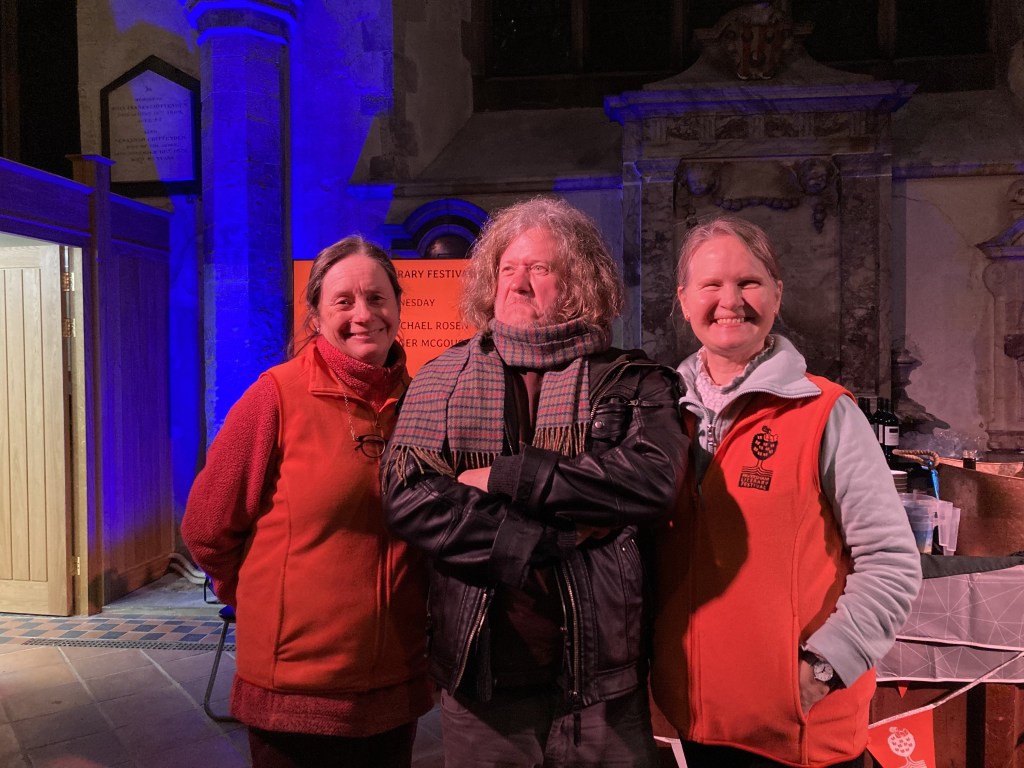
Meanwhile there’s the Faversham Literary Festival to look forward to. I’m hosting the Poetry Hub this Saturday 22 February and notice that everything is sold out! I am scheduled to read in Faversham Guildhall at 5.30pm with Michael Bartholomew-Biggs (an excellent poet who has edited new poetry and poetry reviews at London Grip for many years) and Maggie Harris, a Guyanese poet and prose writer living in Thanet, who was awarded the Guyana Prize for Literature in 2000 and 2014 for her collections of poetry Limbolands and Sixty Years of Loving, respectively.

All three of us have new poems and old favourites to read to you.

Prompts: what fictional characters do for fun

Whether your New Year’s Resolutions were about writing, or whether (like me) you don’t reckon with them at all, this can be an excellent time for flexing your fictional muscles again after the festivities.

When I was little, my dad used to read to me at bedtime and a big favourite was The Wind in the Willows. Through furry creatures who live by and near a river, the book has huge things to say about our inner spirit and what everybody needs to thrive. One of the most important of course is food, so these characters have gorgeous picnics and ad hoc meals where the main ingredient is their wonderful friendship. Ratty (a water vole) is passionate about boating too. Feel free to use any of the following quotes as a prompt for five or ten minutes of writing, or as long as the spirit takes you:

‘And you really live by the river? [said Mole} What a jolly life!’ ‘By it and with it and on it and in it,’ said the Rat. ‘It’s brother and sister to me, and aunts, and company, and food and drink, and (naturally) washing. It’s my world…’ The Wind in the Willows, Kenneth Grahame

‘They had now entered a beautiful walk by the side of the water, and every step was bringing forward a nobler fall of ground, or a finer reach of the woods to which they were approaching; but it was some time before Elizabeth was sensible of any of it.’ Pride and Prejudice, Jane Austen

‘The minuet set Jack’s head wagging with its insistent beat, but he was wholly unconscious of it; and when he felt his hand stirring on his breeches and threatening to take to the air he thrust it under the crook of his knee.’ Master and Commander, Patrick O’Brian

Most stories are quests within a framework of work or love in one form or another, with techniques to escalate the stakes to a satisfying finish. Hobbies can be a side-issue, something to broaden a character’s appeal, or they can be at the heart of the story. If the second, the trick is to fold them in, from the start, so that the hobby itself rapidly becomes a matter of life & death. The British film Brassed Off is a perfect template. The UK’s coal mining industry was being closed down. Many pits had brass bands to help the miners’ breathing and morale, and the band in the film has been spectacularly successful. Two questions interweave: can the band survive closure of the pit, and can the miners themselves survive without work?

More prompts, from books about pastimes:

‘Every instrument employed was severely commented upon; but when he came to the wind, his indignation was terrible.’ Talks with Bandsmen by Algernon Rose, 1894

‘If you landed on a comet, you’d need to keep an eye on its orbit.’ Am I made of Stardust? Maggie Aderin-Pocock

‘Gardeners are born optimists, always looking forward to the year ahead, convinced that they will achieve much more than in the previous year.’ RHS Gardening through the Year by Ian Spence

Or you could sit down with one of your characters for a character chat and ask (writing down the answers as they flow) about their favourite fun things to do. When do they do them? Where? With whom? What are the contexts (teams, times of year etc.)? Is kit involved? Who organises, hosts, starts it all off? The character?(Why/ why not?) How does the character feel about it all? What do they hope for/ want? How’s it going? Why?

Wherever you are, wherever you’re writing, I wish you the very best in 2025 and beyond, and happy writing!

Could food be the heart and soul of your story? Prompts from my group last weekend

Food is essential to a healthy balanced life, we’re told. I’d say it can be a vital part of balanced writing too and I don’t just mean those favourite biscuits you keep handy while you type.

Can you think of scenes in something you’ve read or seen that stick with you more because of the food in them? I don’t just mean the Royale with cheese in Pulp Fiction (one of the film’s most memorable scenes though it plays no part in moving the story forward). For me, favourites run from The Wind in the Willows (Ratty’s wicker ‘luncheon basket’ opens up to all sorts of beautiful meals in that lovely book) to A Christmas Carol where Scrooge needs a lesson in how food and generosity can bring us all together, and Chocolat where the stranger in town opens a chocolate shop and upsets the community balance in all sorts of delicious ways. This treat (wonderfully named ‘The Passionate Epicure’, written exactly 100 years ago) came up in our writing group chat on Saturday – thank you, Kate!

Food in a story reveals depths in our characters as well as anchoring us with them in their reality.

Here are some prompts I’ve lifted at random from recipe books:

Cordon Bleu Cookery, 1976 (given to me by my mother): ‘Hot souffles are often considered to be the test of a good cook. They are not difficult to make if you follow the basic rules.’ Those lines always makes me laugh as I’ve never baked a good one and can’t be bothered now to try.

Pasta by Carla Bardi, 2010: ‘Warm the yoghurt in a small saucepan over low heat. Add the garlic, chopped kiwi fruit, and lemon zest. Season with salt and pepper.’ Proving you really can put anything with pasta.

Michel Roux, The French Revolution, 2018: ‘Roll out the pastry to a circle about 3cms wider than the pan. Place this on top of the figs, tucking the excess pastry around them.’ Yum.

The prompts below come from Like Water For Chocolate by Laura Esquivel, 1989:

The news seemed to move the Captain. In a barely audible voice, he replied, ‘That is a pity, a very great pity.’

The steam rising from the pan mingled with the heat given off by Tita’s body. The anger she felt within her acted like yeast on bread dough.

‘Look, it would be better if we didn’t dig up the past; I don’t care what Pedro’s motives were in marrying me. the fact is he did.’

More thoughts are below for a foodie brainstorm with your main characters. Food can arrive by bike via an app, in a packet or from a hob delivered by a kind neighbour in a crisis, whatever comes to mind. Ask your character to tell you in the usual character chat way, explained here

About their favourite meals: what do they like to eat/ when/ where/ with whom/ in any particular contexts?

Who makes or provides this favourite food? Why? You, the character, or another character in the story? Why or why not?

Ask about food shopping: what/ where/ how/ when etc. Do they enjoy it? Loathe it? Why?

And so on. This kind of discovery can go on as long as you like. It limbers up your writing muscle, invites your characters back into your imagination after a break, and might even lead to you writing something that can go straight into your book. Even if it doesn’t quite do that last one, it might next time. Happy writing!

Publication date for ‘Safe Ground’: Mica Press

Mica Press has scheduled Safe Ground, my fifth book of poetry, for publication on 25 March, 2025!

On the same day Mica Press and Irena Hill of In-words will launch Safe Ground and Michael Vince’s Legwork at West Greenwich Library in south east London. Mica writers Michael Foley, Nayma Chamchoun and Leslie Bell (Mr Mica himself) will join us to read too. You can find more about them on Mica’s website here. Irena’s poetry events are renowned for their wonderful atmosphere and her home-baked polenta cake and everyone will be welcome.

Safe Ground traces my search for safety from the Causeway Coast and Troubles Belfast to peace and a sense of home near Margate Sands where TS Eliot wrote part of The Waste Land. The shore is a significant healer in the poems and North Sea winds gust through them. I will be enormously proud to be a Mica poet, and hope you can come to celebrate with us and enjoy the depth and scale of Mica’s work. Here I am by the Mourne Wall a long time ago…

Writing prompts for poetry, fiction or short story

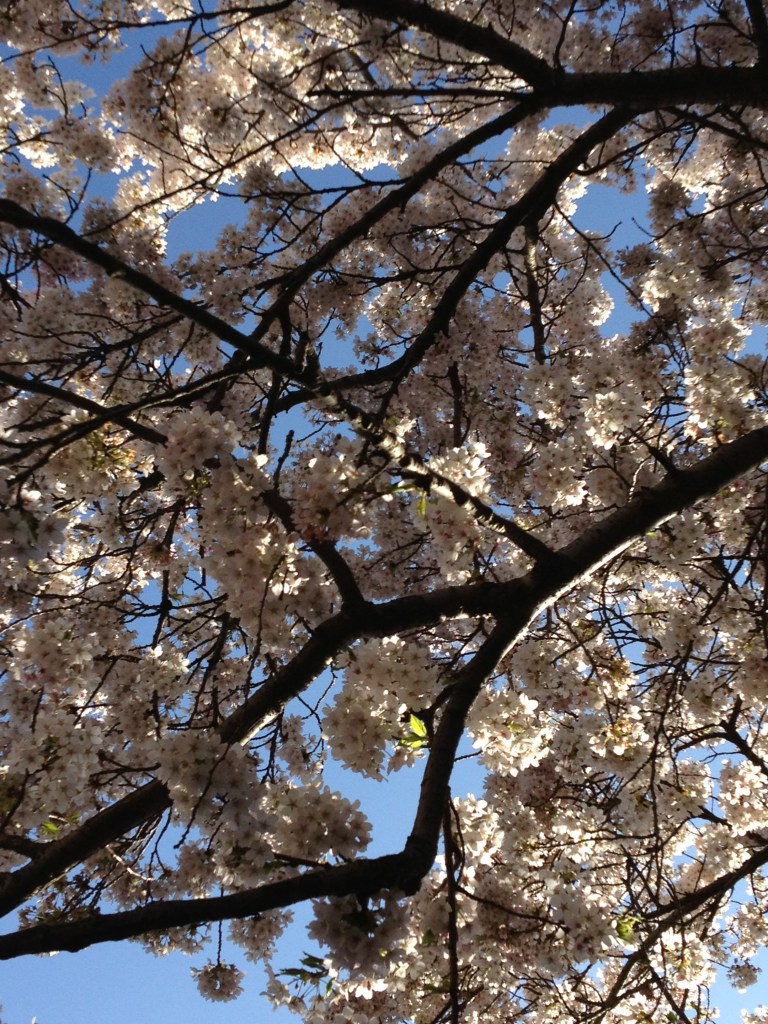
In Margate, my writing group reckoned that our senses are their favourite writing prompts and that visual prompts are particularly wonderful. The spirit of JMW Turner haunts the air and skies around here and the Turner Contemporary Gallery is just around the corner, so we’re not short of visual stimulus. In case you’re looking for images today, here are some photographs – happy writing.

In Cambridge yesterday though, the writers called for written prompts as well. These below are culled from the wonderful poetry anthology, The Rattle Bag edited by Seamus Heaney and Ted Hughes:

The tree the tempest with a crash of wood

Throws down in front of us is not to bar

Our passage to our journey’s end for good

But just to ask us who we think we are.

‘On a Tree Fallen Across the Road’, 1921, by Robert Frost

Before the sixth day of the next new year,

Strange wonders in this kingdom shall appear.

From ‘On the Cards and Dice’ by Sir Walter Raleigh, c 1553-1618

My mother said to me not to be talking with you today,

or tomorrow, or on the Sunday;

it was a bad time she took for telling me that;

it was shutting the door after the house was robbed.

Translation from Irish anon by Lady Augusta Gregory, 1852-1932

One of the pumps has been shot away – it is generally thought we are sinking

From ‘Song of Myself’ by Walt Whitman, 1819-1892

It was the evening all afternoon

It was snowing

And it was going to snow.

The blackbird sat

In the cedar limbs.

From ‘Thirteen Ways of Looking at a Blackbird’ (any one of them could serve as a prompt) by Wallace Stevens, 1879-1955

The Angel that presided o’er my birth

Said, ‘Little creature, form’d of Joy and Mirth,

Go love without the help of any Thing on Earth.’

From ‘The Angel that presided o’er my birth’ by William Blake, 1757-1827

Whatever works for you is your best prompt. Happy writing!

Writing Prompts

Last Sunday at Marine Studios in Margate, my Where to Start Writing group were chatting about what sort of prompts work best. Many writers don’t need prompts of course. Their words churn in the brain like planes stacking above an airport and all they need is a quiet place and time. But sometimes we sit down to write and can’t get going.

If you have the confidence to start just anywhere, you won’t go far wrong. Fill a few pages with free scribbling, and keep writing – eyes down, let anything come – even when you think the words have dried. In time and with luck, your priorities about what you’re writing and then your story will find their way through to you.

Another way is use prompts. What did the Margate writers like best? Visual imagery was high on the list and I’ve added to my page of photo prompts here for you to have fun with. (I used to be able to add new photos to the top of the page but some update or other means we have to scroll down now, I’m afraid.)

Sensual prompts work too. As Marcel Proust knew, our sense of smell is marvellous for leading us by the nose down memory lane. Taste, touch, sounds especially music, they all work too. For me, anything from a kitchen drawer or in the bathroom cupboard can be useful. Hold whatever it is, really feel its textures and smells, its possibilities, its past, take a moment, then start writing…

A single word can be a good jump start sometimes. Specific words – blanket, door, pebble, rings, pages, trumpet – or abstracts like peace, exile, home, need, money, hope.

Character writing is excellent of course and my blogposts about getting deep inside your characters are useful there. A way back into writing a novel after a time of distraction is to choose an emotion (rage, love, grief etc.) and write a monologue for each of your main characters where they talk to you (and you write on your page or screen) how they feel about that emotion and how they are when they are deep in it. That should have them wading back into your imagination, ready for action.

Happy writing, however you do it. Here is a taster of my photo prompts for today:

West Greenwich, London last week – photos

Our poetry event at West Greenwich Library in south east London last week has left such a lovely glow. Everything was beautifully organised and hosted by Irena Hill of in-words.co.uk – her 59th event in a series of exquisite poetic experiences – and I am deeply grateful to have been asked to read. Huge thanks to everybody who was there. A few photos, starting with Irena and In-Words

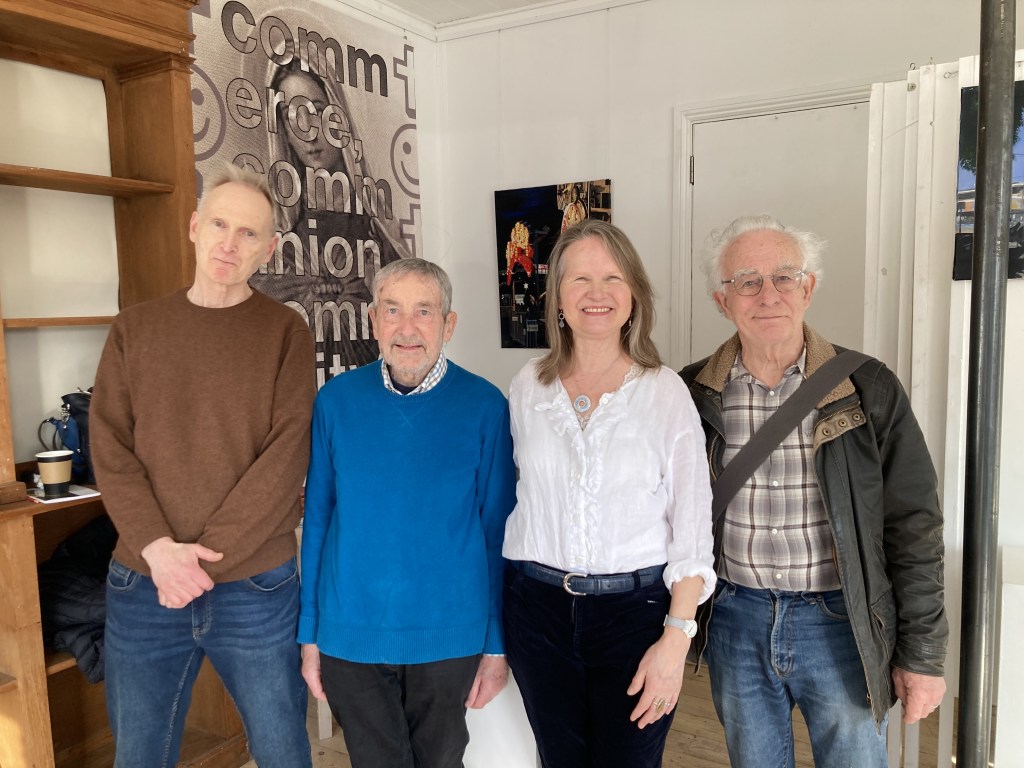
Our poets above are Jane McLaughlin, Alex Josephy, Mick Delap and myself (with Irena in the middle)

Below with NJ Hynes and Gillie Robic

Irena’s next event is on NOVEMBER 26th at West Greenwich Library – an evening with poets who write in English while English is not their native language, she says – with Natan Barreto, Isabel Bermudez and Kostya Tsolakis (and more). Please come if you can.

West Greenwich Library in London tonight!

I have been asked to read tonight, Tuesday October 8th, at West Greenwich Library in London for an In-Words poetry event on the theme: ‘Loving Nature in Troubled Times’. Doors open at 6.45 for a 7pm start.

Due to illness, Jude Rosen and Derrick Porter can’t make it and we all wish them better soon. So Mick Delap and I will be joining Alex Josephy and Jane McLaughlin. In-Words events are always excellent – Irena Hill looks after her audiences so well. I’m hugely honoured and look forward to the evening very much.